

November 3, 2024
God Is With You Wherever You Go
After five months, Walter offers a “Part 2” for his talk from last June by emphasizing that the kind of “secure base” that God provides goes with us wherever we go, allowing for multiple attachments that can naturally correct the inevitable distortions we might otherwise hold about God if we were to only rely on one community.
October 27, 2024
Rooted In Reality
Reflecting on today’s lectionary readings, Jess shares some thoughts on the importance of speaking the truth about our suffering as an essential component of our healing. She encourages us to remain rooted in reality as a form of resilience, and to acknowledge life as life is without denying the pain and injustices we face.

October 20, 2024
Rest
Marilyn followed up her talk on resilience by looking at the role of rest – with much interaction, she facilitated a discussion on Hebrews 4.

October 13, 2024
Can We Love the Bible (with Honesty and Compassion)?
In advance of a coming small group, Walter gets us thinking (and chatting) at our “2nd Breakfast” about the attitudes toward the Bible that we grew up with – some helpful and some not.
October 6, 2024
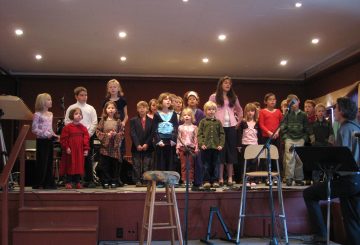
Celebrating 32 Years
We recall and celebrate 32 years together with the help of three pairs of storytellers and a couple of poems.

September 29, 2024
Small Kindnesses Are No Small Thing
Rachael grapples with how to respond to hard things in the Bible and in life, and shares some learnings from her recent trip to Ireland.

September 22, 2024
A Cure for Chaos
Mark Groleau takes us on a deep and wide journey through biblical theology that leads us to three encounters: a) Chaos (the Sea), b) Calming the Sea, c) the River of Life.

September 15, 2024
The Importance of Truth-Telling
This week, special guest, Jonathan Schut from MCC (Mennonite Central Committee), shared a dynamic and creative lesson from Queen Vashti (in the book of Esther) to introduce the importance of truth-telling to organizations like MCC as they work for justice and peace – and he masterfully integrated our theme of the “Roots of Resilience.”

August 25, 2024
God’s Armour
Using the Ephesians 6 text from the lectionary, Walter’s homily reminded us that Paul’s metaphor of God’s Armour was helping us to stay strong and to endure in our calling of “mutual submission” (non-violent, non-dominating love) as opposed to the spirit of our age that is often based on the “myth of redemptive violence”

August 18, 2024
Hope in Hard Times
This Sunday, Jess Williams explored the role of hope when we walk through hard times in life. Starting with the pain caused by toxic positivity and the cultural pressure to put forward a polished life, Jess asks what the antidote to this might be. She thinks the blessings of Jesus in the Beatitudes have something important to teach us about the kind of life Jesus calls blessed.

August 11, 2024
Stories of Community Resilience
At this Sunday’s “second breakfast,” Jess invited the tables to share with each other stories of community resilience. But first there was an introduction that included Alex Henderson sharing some thoughtful material on community resilience and Walter shared a brief story of what helped SSU to be a resilient community.

August 4, 2024
The Art of Swearing
This morning, Renate used Ephesians 4 to explore the wise use of expressive, yet gracious, language. You can see her power point, and/or listen below. You’re always welcome […]